After the session -
Why Work Stays With You and What Actually Helps
A free 90-minute online workshop for therapists, clinicians and service providers
Choose the session that suits you best - both sessions cover the same material.
Tuesday 12 May, 12 – 1:30pm AEST
Thursday 14 May, 7 – 8:30pm AEST
It doesn't matter if it's PJ Harvey, Rachmaninov, Rosalia, or ACDC.
After a hard session, you can blast the music as loud as you like. You'll still find yourself in the car with the client's story right there with you.
The session may be finished.
But you are still in it.
You lie awake replaying something you said. Or something you didn't.
You feel competent at what you do, and yet something is brewing that you cannot quite put your finger on.
You know the theory. And you could write the self-care list in your sleep.
Yet here you are.
Most approaches try to help you switch off from work.
Very few show you how to work with what the work leaves behind.
This workshop is not about trying harder to switch off or look after yourself.
It is about understanding why the work stays with you, why the systems you work in make that harder, and what actually helps.
This is not a resilience problem.
The struggles clinicians carry, the ones we talk about openly (burnout, vicarious trauma, wanting to scream in frustration) and the ones we whisper to ourselves (wondering how much longer we can keep doing work we love), are not personal vulnerabilities.
They are occupational hazards of sustained relational work in challenging contexts.
Our training taught us to assess, respond, document, and hold. To stay present and attuned to the pain in front of us, session after session.
What most of us were never taught is how to notice what that work leaves behind in us, or what to do with it.
This workshop will introduce a clear, evidence-based three-part framework for understanding clinical impact, along with a creative, embodied, and practical experience of what working with it can feel like.
"Thank you so much for normalising the experience of all of these challenges that come with caring work, and for reminding me of the joy that I also feel".
Michelle (Psychologist)

What you will discover
Why the work stays with you, and why that is not a personal failing
The three ways clinical impact accumulates over time: in the body, in the mind, and in meaning
What it feels like to notice and respond to the vicarious impact in practice, not just understand it intellectually
A practical framework you can use immediately, regardless of where you are in your career
Who this is for
This workshop is for clinicians who:
Show up fully for their clients in work that is demanding, relational, and not easily left at the door.
Know that self-care is important, but it is nowhere near enough for the emotional load, the systems built for throughput, not people, and the level of complexity involved in this work.
Do great work and care deeply, but know that something needs to change for their work to have longevity.
Your free place includes
A live and interactive 90-minute session on Zoom
A guided experiential process using creative and somatic approaches
No prior training in creative or somatic approaches required, as all experiences are guided and scaffolded for you
Designed to be reflective, practical, and immediately relevant to your clinical work
An introduction to Flourish, a group program for clinicians who want to continue this work (starting late May)
A reflection workbook to use during and after the session
72-hour access to the recording for registered attendees
Certificate of attendance for CPD purposes

Welcome!
About Minky van der Walt
Hello and welcome!
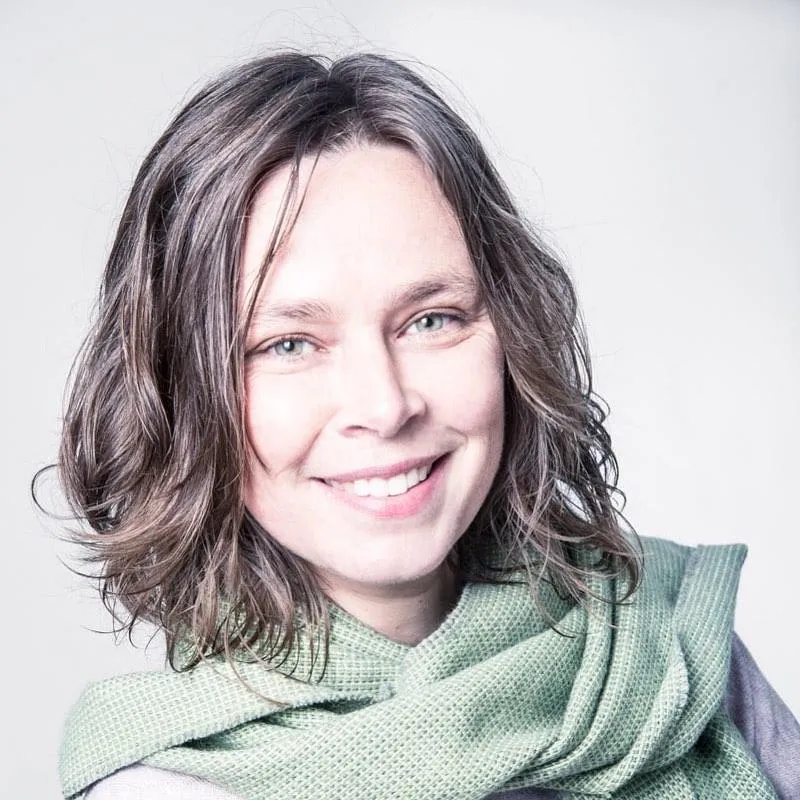
I am Minky van der Walt, Registered Music Therapist, clinical supervisor and PACFA Clinical Member with 25+ years of clinical experience.
I designed this workshop, and the Flourish program it draws from, because what clinicians need has never been part of our professional training.
Not more self-care strategies.
Not more resilience.
But a structural understanding of what the work does to us, and a way to tend to it over time.
If this resonates, I would love to see you there.
Reserve your free place
Tuesday 12 May, 12-1:30pm AEST
Thursday 14 May, 7 – 8:30pm AEST
Places are limited to keep the session interactive.
Questions? [email protected] | 0466 149 430
By registering you are agreeing to join the Tempo newsletter. You can unsubscribe at any time.
A free workshop, and genuine introduction to a different way of working.